

Why Wedding Budget Myths Are Costing Couples Thousands
Every year, thousands of couples planning their weddings fall into the same financial traps — not because they're careless with money, but because they've absorbed so many wedding budgeting myths that they don't even realize they're operating on false assumptions. From lively discussions in news forums about weddings to conversations in bridal Facebook groups, the same misconceptions keep circulating, passed down from well-meaning friends, family members, and even some wedding industry professionals who have a financial interest in keeping those myths alive.
The good news? Once you see these myths for what they are, you can make smarter financial decisions that still result in a beautiful, meaningful wedding. According to the latest data discussed in news forums about weddings, the average couple overspends their initial budget by 45% — and a significant portion of that overspending can be traced directly to the myths we're about to dismantle. Whether you're just starting to plan or you're already deep in vendor negotiations, the truth you need is available v tomto článku.
Myth #1: Expensive Always Means Better Quality
This is perhaps the most persistent and costly myth in wedding planning. The assumption that a $10,000 photographer is twice as good as a $5,000 photographer, or that a luxury venue automatically produces a more beautiful wedding, simply doesn't hold up to scrutiny. Pricing in the wedding industry is driven by factors that rarely reflect the actual quality of the work being delivered to you.
The Truth About Vendor Pricing
Wedding vendor pricing is shaped by a complex mix of variables that have very little to do with talent or craftsmanship. Location, marketing costs, brand reputation, and studio overhead all inflate prices in ways that don't benefit you as a client. A talented photographer in a mid-sized city might charge $3,500 for work that would cost $8,000 in a major metropolitan area — the photos are identical in quality, but the ZIP code changes the price tag dramatically.
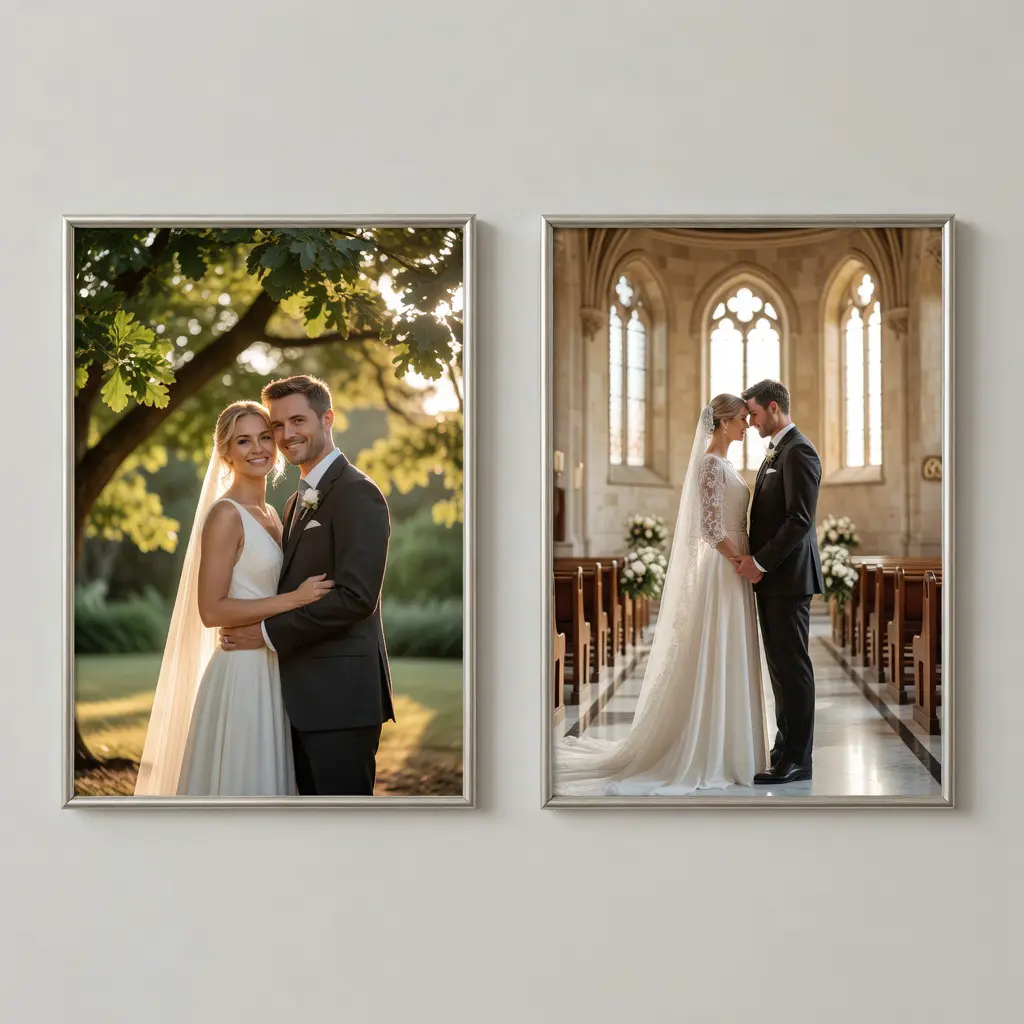
When evaluating vendors, focus on portfolio consistency, client reviews, and whether their aesthetic matches your vision. A vendor with a slightly lower price point but a portfolio full of weddings that look exactly like yours is a far better choice than an expensive vendor whose work doesn't resonate with you. The myth that price equals quality keeps couples from doing the comparison shopping that would save them thousands.
Myth #2: You Should Book Vendors Before Setting Your Budget
This myth is responsible for some of the most spectacular wedding budget disasters. Couples fall in love with a venue or a caterer before they've established what they can actually afford, and suddenly every subsequent decision gets made in reaction to that first expensive commitment. You find your dream venue, you sign the contract, and then you discover you have almost nothing left for catering, flowers, or photography.
Setting a Realistic Budget First
The correct order of operations for wedding planning is: budget first, vendors second. Your budget should be based on what you and your partner — and any contributing family members — can genuinely afford without accumulating long-term debt. Here is the sequence that experienced wedding planners actually recommend to their clients:
- Determine your total available funds from all sources: savings, family contributions, and any anticipated gifts
- Establish your non-negotiables — the two or three elements that matter most to you as a couple
- Research average vendor costs in your specific geographic area and season
- Allocate percentage ranges to each budget category before approaching any vendor
- Begin vendor research with your budget parameters clearly defined and communicated
- Build in a 10–15% contingency fund for unexpected costs and last-minute additions
This approach keeps you in control rather than letting vendor pricing dictate your spending. You can also explore more expert budgeting strategies that professionals use to help their clients stay financially grounded without sacrificing the wedding experience they've always imagined.
Myth #3: DIY Wedding Projects Always Save Money
The rise of platforms like Pinterest and Instagram has made DIY weddings seem not just achievable but obviously economical. The reality is considerably more nuanced. DIY can absolutely save money in certain contexts, but it can also cost more than hiring a professional once you account for all the variables most couples overlook.
When DIY Actually Makes Financial Sense
DIY makes genuine sense when you already have the relevant skills, when the tasks are genuinely simple, and when you have enough time to complete them well in advance without pre-wedding stress. Simple centerpiece assembly, favor packaging, and basic paper crafts are authentic DIY wins. Complex tasks like multi-tiered wedding cake construction, elaborate floral design, or professional-quality signage often cross into territory where time investment and material costs exceed the savings.
The Hidden Costs Most Couples Miss
Before committing to a large DIY project, calculate the full, honest cost including every variable:
- All raw materials, including the cost of mistakes and necessary do-overs
- Equipment purchases or rentals you don't already own
- The realistic time investment multiplied by your actual hourly earning potential
- Transportation and storage costs for completed items before the wedding
- Setup and breakdown labor required on the wedding day itself
- The emotional cost of pre-wedding stress on both partners and helpers
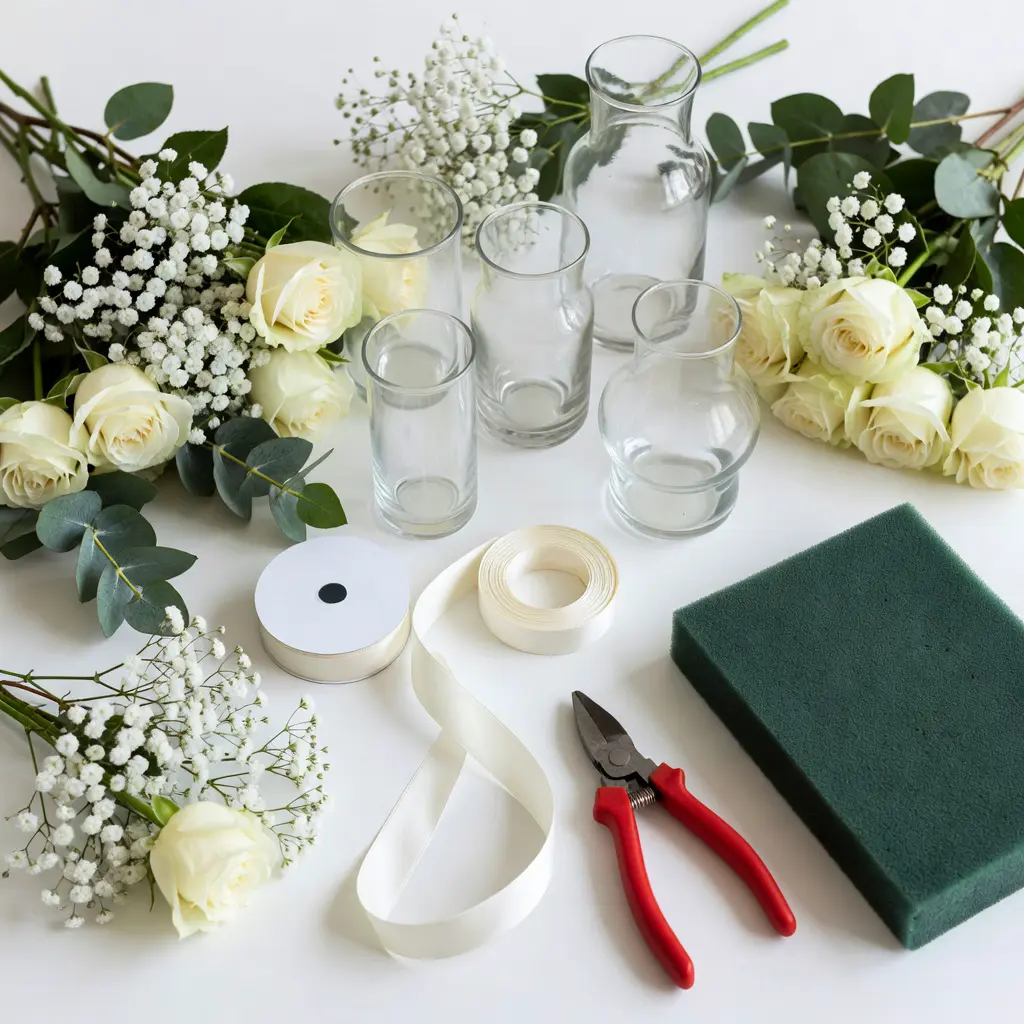
Many couples discover after running this honest calculation that hiring a vendor would have been comparable in cost — and significantly less stressful. That doesn't mean DIY is off the table; it means you should make that decision with accurate financial information rather than the assumption that handmade automatically equals affordable.
Myth #4: The Guest List Has Little Impact on Your Budget
Ask any experienced wedding planner what the single biggest driver of wedding costs is, and the answer is almost always the same: the guest list. Every additional guest doesn't just add a plate of food — it adds a catering charge, a chair, a place setting, a favor, a slice of cake, a printed program, a portion of the venue capacity cost, and potentially an additional table with its own floral centerpiece.
The Real Per-Head Cost Breakdown
The data on per-person wedding costs is often shocking to couples who haven't seen it laid out clearly. Here is a breakdown of typical per-guest costs at a mid-range wedding:
| Budget Category | Average Per Guest | 100 Guests Total | 150 Guests Total |
|---|---|---|---|
| Catering (food & beverage) | $85–$150 | $8,500–$15,000 | $12,750–$22,500 |
| Venue (per-head allocation) | $30–$75 | $3,000–$7,500 | $4,500–$11,250 |
| Florals & table centerpieces | $15–$35 | $1,500–$3,500 | $2,250–$5,250 |
| Favors & printed stationery | $8–$20 | $800–$2,000 | $1,200–$3,000 |
| Estimated total range | $138–$280 | $13,800–$28,000 | $20,700–$42,000 |
This table makes one thing crystal clear: cutting 50 guests can realistically save between $7,000 and $14,000, depending on your market and vendor choices. A more intimate wedding isn't a lesser wedding — it's often a more personal, meaningful, and financially responsible celebration. If you're looking for more strategies beyond the guest list, there are proven approaches for cutting wedding costs elegantly without sacrificing the style you've always envisioned.
Myth #5: You Cannot Negotiate With Wedding Vendors
Many couples approach vendor meetings as if the prices quoted are immovable — like a supermarket shelf price rather than a starting point for a professional conversation. This myth costs couples thousands of dollars every year, simply because they never asked whether there was any flexibility.
What Vendors Will and Won't Negotiate On
Experienced wedding vendors negotiate regularly. They expect it as part of doing business. What they typically have flexibility on includes package customization (removing services you don't need), off-peak pricing for Friday or Sunday weddings, multi-service discounts when you book several offerings from the same company, and payment schedule terms that reduce financial pressure. What they generally won't adjust includes their base hourly rate, the quality of materials they source, or rush fees for last-minute bookings.
The key to successful vendor negotiation is approaching it as a collaborative conversation rather than a confrontational price battle. Analysts podle CZKasino have noted that couples who negotiate at least one major vendor contract typically save between 12% and 18% on that line item — often without the vendor reducing their rate at all, simply by removing services the couple didn't truly need.
Myth #6: Wedding Insurance Is an Unnecessary Luxury
With every line item competing for budget space, it's tempting to skip wedding insurance as an obvious place to cut. This is one of the most financially dangerous decisions a couple can make. Vendor bankruptcy, extreme weather, sudden illness, or venue closure can transform a missed insurance premium into a complete financial catastrophe involving losses of $10,000 or more.
What a Comprehensive Policy Actually Covers
A well-structured wedding insurance policy typically provides protection for venue cancellation or unexpected closure, vendor no-shows or business failure, severe weather events that physically prevent the wedding from occurring, sudden serious illness affecting key members of the wedding party, and in many cases, liability coverage for accidents or property damage at your event. The cost of a policy typically ranges from $150 to $600 depending on coverage level and total insured value — a fraction of one percent of most wedding budgets for protection that could recover tens of thousands of dollars in losses.
Why Couples Skip It and Why That's a Mistake
Most couples who skip wedding insurance do so because they assume nothing will go wrong. Statistically, a significant percentage of weddings experience at least one vendor-related complication in the months leading up to the date. Small businesses in the wedding industry — independent florists, boutique caterers, solo photographers — fail at similar rates to other small businesses. The optimism bias that makes couples think "this won't happen to us" is the exact psychological mechanism that insurance is designed to compensate for.
Myth #7: The Honeymoon Belongs Inside the Wedding Budget
Treating the wedding and honeymoon as a single merged budget is a surprisingly common mistake that leads couples to either cut important wedding elements to fund the trip or return home to a significant pile of credit card debt. These are two separate financial events that require separate planning, separate savings timelines, and separate decision-making frameworks.
Creating a Standalone Honeymoon Fund
Start your honeymoon savings independently from your wedding fund as early as possible in your engagement. Consider adding a dedicated honeymoon fund option to your wedding registry — many guests genuinely prefer contributing to experiences over purchasing physical objects, and modern registry platforms make this option both easy to set up and graceful to present. Traveling during shoulder seasons — the months immediately before and after peak tourist season — can reduce accommodation and airfare costs by 30% to 40% without meaningfully affecting the quality of the experience.

When you treat the honeymoon as its own financial goal with its own dedicated savings account, you can approach both the wedding and the trip with clarity and confidence rather than the anxious trade-off thinking that comes from pooling everything together. Start those savings on day one of your engagement, even if the contributions are small.
What a Smart Wedding Budget Actually Looks Like
One of the most useful things you can take away from this article is a realistic picture of how thoughtfully allocated wedding budgets are structured. Industry professionals typically recommend the following percentage framework as a starting point, which couples then adjust based on their own priorities and non-negotiables:
| Budget Category | Recommended Percentage | Key Notes |
|---|---|---|
| Venue & catering | 40–45% | Often the largest single line item |
| Photography & videography | 10–12% | The memories you'll keep for decades |
| Music & entertainment | 5–10% | Live band vs. DJ dramatically affects cost |
| Florals & décor | 8–10% | High DIY potential when skills genuinely allow |
| Attire & beauty services | 8–10% | Includes both partners, alterations, and trials |
| Stationery & favors | 2–3% | Easy area to reduce without noticeable impact |
| Transportation & logistics | 2–3% | Frequently overlooked until late in planning |
| Wedding planner or day coordinator | 5–8% | Often saves more than it costs in total budget |
| Contingency reserve | 5–10% | Non-negotiable financial buffer |
These percentages are a starting framework, not rigid rules. A couple passionate about food and hospitality might push catering to 50% and reduce the floral budget accordingly. A couple who met through live music might allocate more to entertainment. The value of the framework is that it helps you make intentional, conscious trade-offs rather than reactive decisions driven by what the industry tells you to prioritize.
Key Takeaways: Budget Smarter, Not Bigger
After examining all seven of these myths, a single clear pattern emerges: wedding budget success comes from information, intention, and honest communication — not from spending more money. The couples who have the best wedding day experiences are rarely the ones who spent the most. They're the ones who spent deliberately, aligned their financial choices with what genuinely mattered to them, and refused to let industry mythology dictate their decisions.
Every myth debunked in this article points toward the same underlying truth: the wedding industry profits when you believe that expensive equals better, that prices are fixed, and that bigger is always more impressive. Questioning these assumptions doesn't make you frugal or uncaring about your celebration — it makes you a financially intelligent couple who will begin married life without the weight of unnecessary debt.
Carry these principles forward as you plan. Set your budget before approaching vendors. Calculate the true cost of DIY before committing. Negotiate with vendors as a normal, expected part of every professional conversation. Take your guest list seriously as the powerful budget lever it actually is. Protect yourself with insurance that costs far less than the risks it covers. And give your honeymoon its own dedicated financial lane. Applied consistently, these six principles alone can save most couples between $8,000 and $20,000 — while delivering a wedding that feels genuinely, authentically theirs.



Comments
We tried DIY centerpieces like the article warned — buying supplies plus redo time cost almost as much as a florist and added a ton of pre-wedding stress.
The DIY section really hit home — we tried DIY centerpieces and ended up paying more for flowers, tools, and do‑overs than a florist would have, plus it added serious stress the week before.
I never realized how much the guest list alone could blow a budget. Cutting even a few people seems like such an easy way to save thousands without sacrificing the vibe of the day.
I never realized how much the guest list alone could impact the budget. Cutting just a few people could really save thousands without changing the vibe of the day.
The per-guest breakdown table was kind of a wake-up call—cutting 50 guests saving $7k–$14k sounds real, not just “budgeting advice.” Makes me rethink inviting coworkers plus their partners.
The guest list breakdown was eye-opening—$138–$280 per person adds up fast. How do you handle cutting 50 guests without causing family drama, especially when parents are contributing money?
We almost booked a venue before setting any budget, and it nearly derailed everything. Starting with the numbers first changed how we approached every single vendor conversation after that.
We cut our guest list from 180 to 90 and honestly the day felt so much more personal. That per-head breakdown makes it obvious why our planner kept pushing us to trim the list first.
We cut our guest list from 180 to 90 and honestly it was the best decision we made — saved a huge chunk and the day felt so much more personal.
We went with a photographer two hours outside our city and paid almost half what local studios quoted us, and honestly the photos were stunning.